
Prophetic Guidance for Youth Conflict Resolution - Air University
KHARIYAN, PAKISTAN – DECEMBER 11, 2025 – Air University’s Khariyan Campus became a hub of reflective dialogue today as it hosted a landmark seminar titled “Conflict Resolution and Peacebuilding in the Light of Sīrat-un-Nabi (PBUH) for Youth.” The event, held on a crisp Thursday morning, drew a diverse gathering of students, faculty, and academic staff eager to explore how the timeless teachings of the Prophet Muhammad (PBUH) can address the complex emotional and social challenges faced by young people in the 21st century.
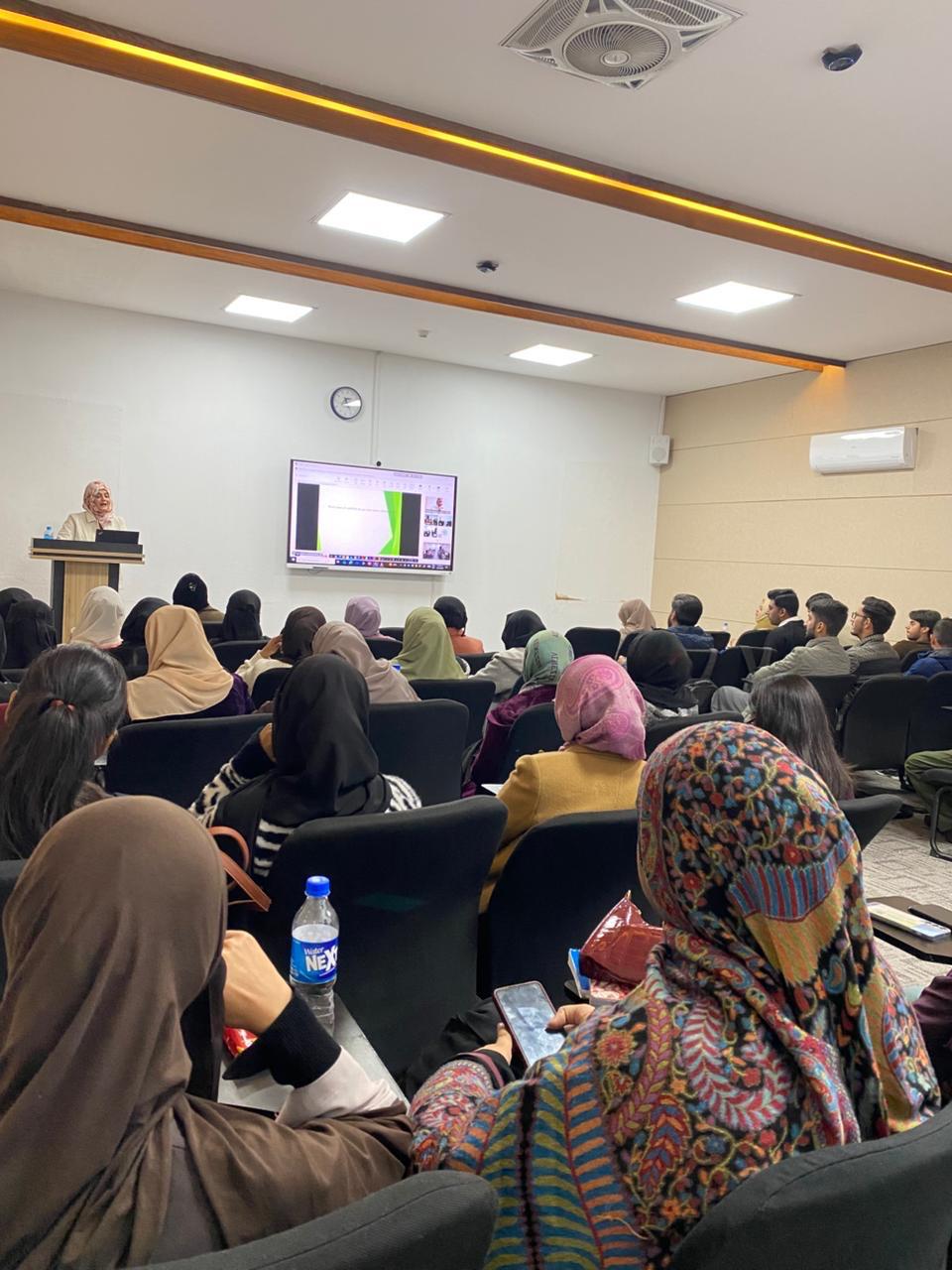
The keynote speaker, Dr. Salma Razzaq—Assistant Professor at Air University Islamabad and a distinguished author, interdisciplinary researcher, and Editor-in-Chief of XIJIR—delivered a powerful, interactive session that wove together Islamic tradition, contemporary psychology, and practical life strategies. Her presentation focused on equipping youth with prophetic tools to navigate inner turmoil, interpersonal disputes, and societal pressures with wisdom, patience, and empathy.
Bridging Ancient Wisdom and Modern Struggles
Addressing a packed auditorium of faculty and students, Dr. Salma began by prompting self-reflection: “What types of conflicts do you face daily—internally or externally?” The question resonated deeply, sparking open discussions about identity confusion in the digital age, emotional overload, social pressures, and the pervasive sense of loneliness many youths experience today.
“Conflict is not always negative,” Dr. Salma emphasized. “When handled with wisdom, it can become a catalyst for growth, understanding, and stronger relationships.”
Through a structured presentation, she categorized conflicts into interpersonal, intrapersonal, group, structural, and cultural types, linking each to relatable youth scenarios. She particularly highlighted the “inner conflict” many young people face—struggles with identity, moral clarity, emotional burnout, and life purpose—and drew parallels to the patience and inner strength demonstrated by the Prophet Muhammad (PBUH) during difficult moments such as the incident at Taif, etc.
From Theory to Practice: The Prophetic Peace Framework
Moving beyond abstract theory, Dr. Salma introduced a structured “Prophetic Peace Model,” built on four foundational pillars—IQ, EQ, SQ, and AQ—each rooted in key events from the Seerah.
Intellectual Quotient (IQ) was linked to the strategic foresight demonstrated during the Hijra, teaching students to assess conflicts calmly and plan responses rather than react impulsively.
Emotional Quotient (EQ) was illustrated through the Prophet’s unwavering calm in the face of hostility, emphasizing self-regulation and empathy.
Social Quotient (SQ) drew from the historic brotherhood between the Muhajirin and Ansar, highlighting reconciliation and community-building.
Finally, Adversity Quotient (AQ) was tied to the perseverance shown during the years of social boycott in Mecca, offering a model for resilience amid hardship.
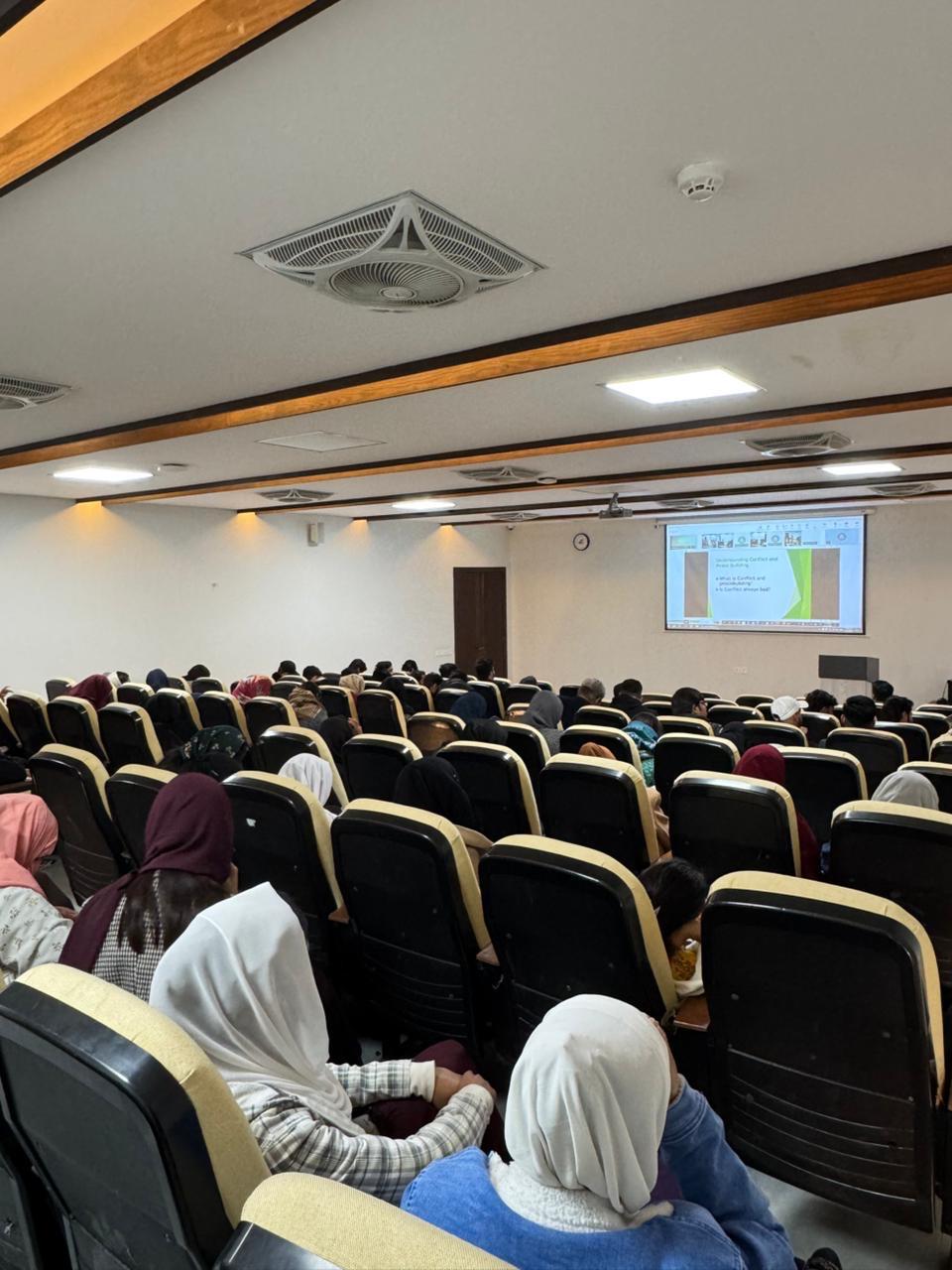
Dr. Salma didn’t just explain these concepts—she equipped attendees with a tangible “Practical Toolkit.” This included actionable steps such as “Pause, reflect, respond,” “Assume positive intent,” “Listen before reacting,” etc. She stressed the prophetic (PBUH) emphasis on restoring dignity and choosing long-term peace over short-lived ego satisfaction, principles embodied in treaties such as Hudaybiyyah.
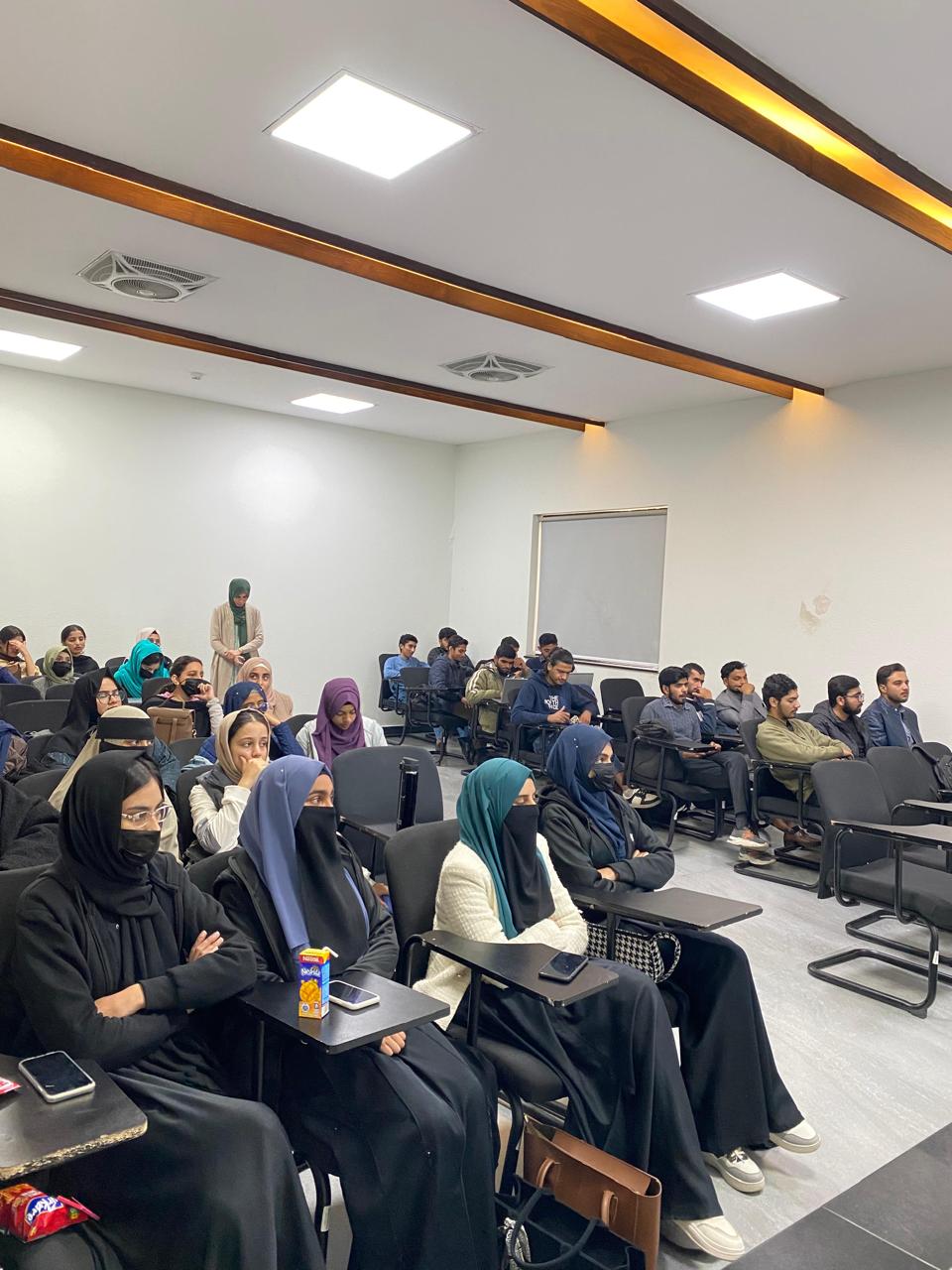
The seminar was far from a one-way lecture. Students actively engaged in discussions, shared personal experiences, and posed thoughtful questions during the extended Q&A session.
Leadership Applauds Depth and Delivery
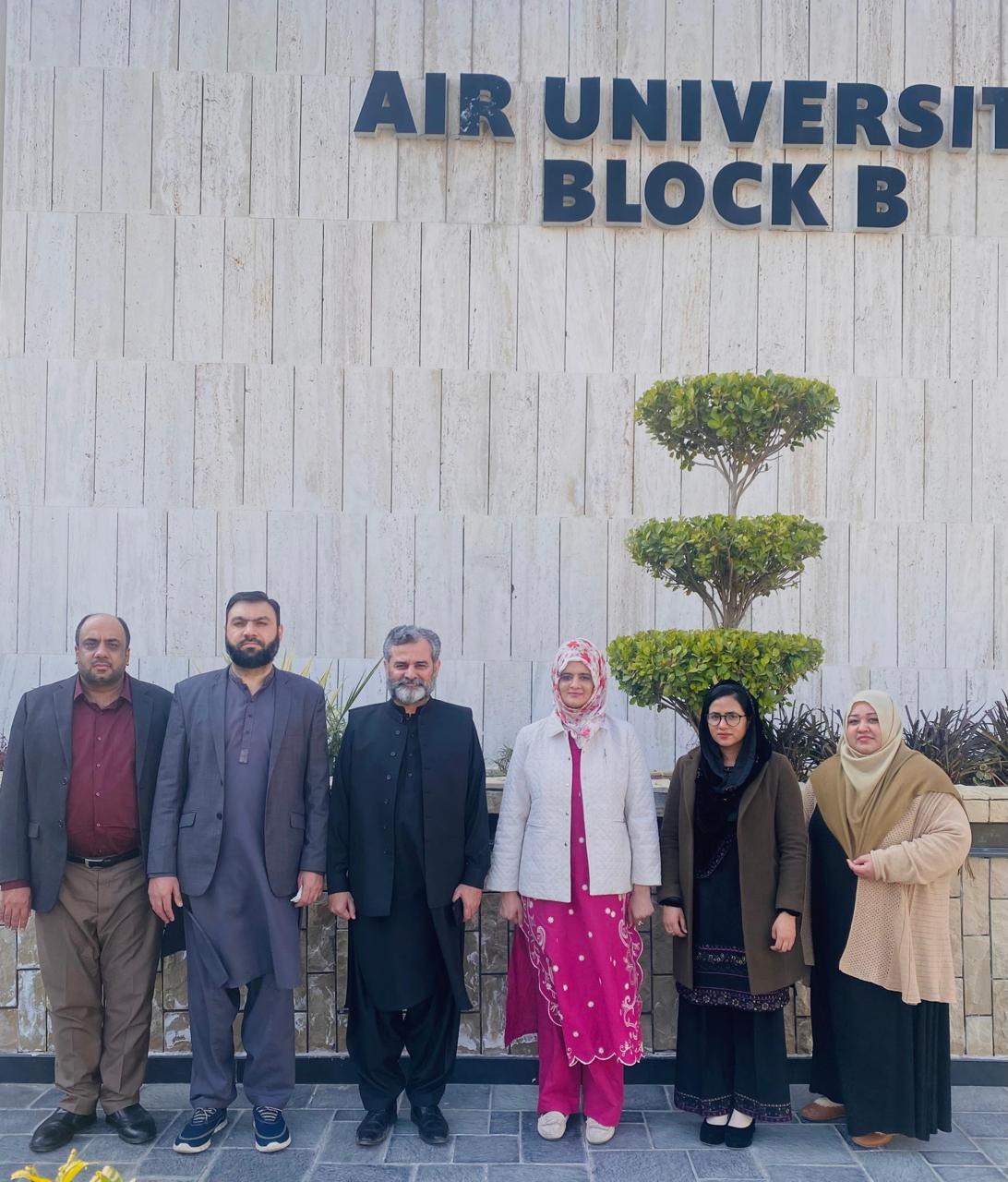
The Campus Director expressed his gratitude to Dr. Salma for traveling from Islamabad to deliver what he called “a masterclass in relevance and resonance.” In his closing address, he stated, “Dr. Salma’s ability to bridge centuries-old wisdom with contemporary youth struggles is remarkable. Her session wasn’t just informative—it was transformative.”
He emphasized the university’s commitment to holistic development, noting that education must address not only academic but also emotional, ethical, and social growth.
“We are inspired to integrate such Seerah-based learning more regularly into our campus life,” he added.
Faculty members echoed this enthusiasm, calling for a series of follow-up workshops. “One session is not enough,” said Dr. Jawad (HoD, Management Sciences), who organized the event.
“Our students are hungry for guidance that speaks to both their faith and their reality. We plan to launch ‘Seerah for Modern Leadership’ as a recurring module next semester.”
A Roadmap for Continued Engagement
The seminar concluded with a sense of collective inspiration and a clear call to action. Students left with not only new knowledge but also a personalized conflict-resolution toolkit and were encouraged to form peer-led discussion circles to continue the conversation.
Air University Khariyan Campus has signaled its intent to become a pioneer in value-based education, where prophetic (PBUH) characters serve as a foundation for leadership and emotional intelligence. By blending traditional Islamic scholarship with contemporary pedagogical methods, the institution aims to nurture a generation that is not only academically proficient but also emotionally resilient, socially responsible, and spiritually grounded.
Join us on LinkedIn: Click to Follow
Upcoming Courses/Specializations/Events: OJS Installation, Management, & Global Indexing—Free of Cost with certifications